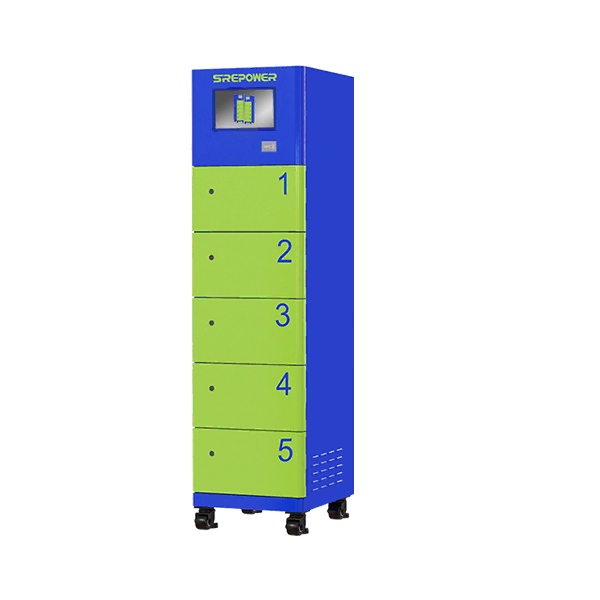
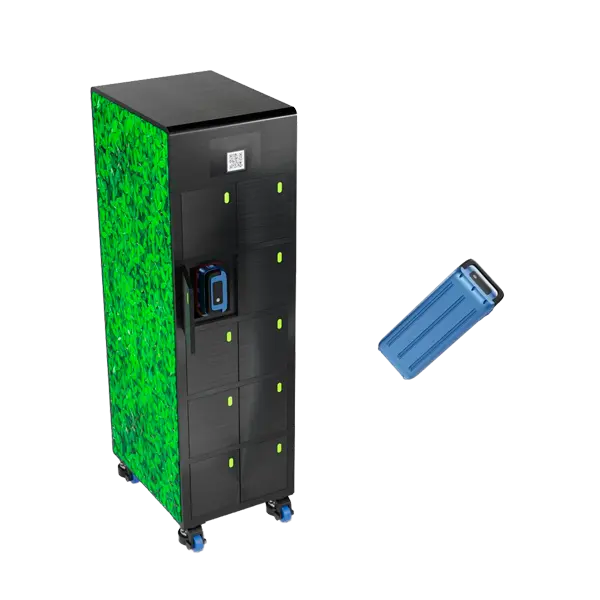
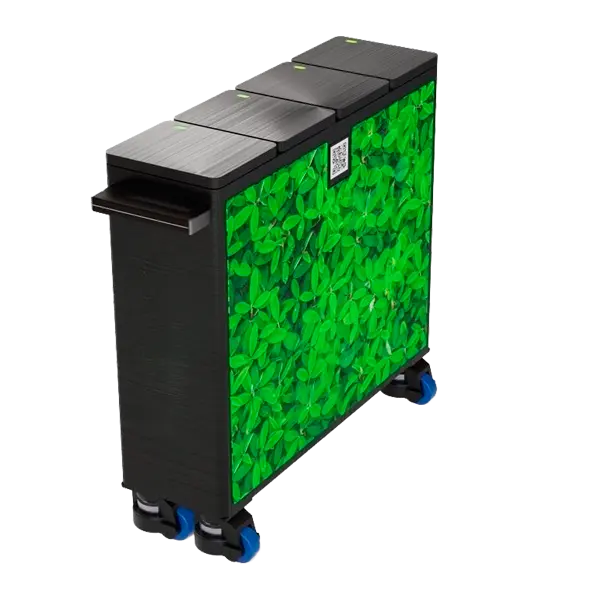
Investment Plan for the Two Wheel Car Charging and Swapping Cabinet Project.
In busy cities, delivery drivers ride electric bikes through the streets and alleys, bringing us convenience and delicious food. However, the range issue of electric vehicles has always been a problem that troubles them. In order to solve this pain point, smart food delivery lockers have emerged as a powerful assistant for food delivery workers. Many operators have realized this is a market demand and invested in operating battery replacement projects. In my 5 years of working in the battery replacement industry, I have encountered many operators who did not understand the characteristics of battery replacement projects, did not achieve expected investment returns, and even withdrew from the industry at a loss. Today, I will briefly introduce what to pay attention to when investing in shared battery replacement projects?

1、 Selection of battery swapping cabinet
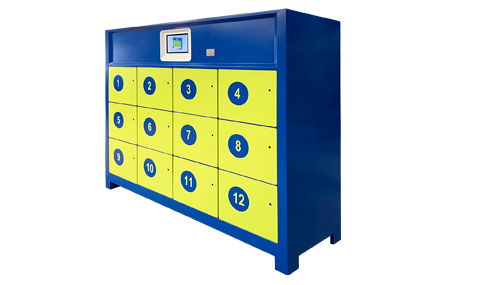
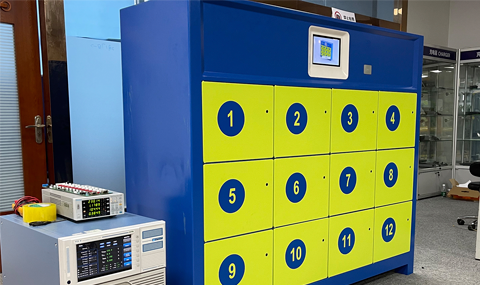
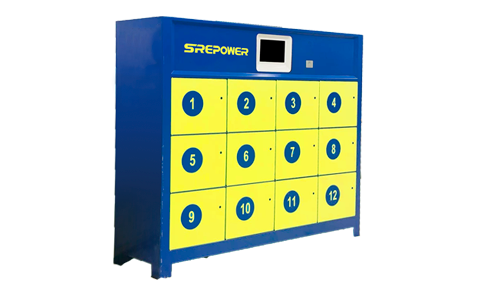
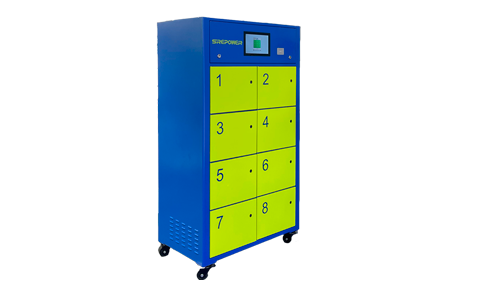
Intelligent battery swapping cabinets can enable you to operate battery swapping intelligently and efficiently. By adopting a battery sharing and battery swapping mode, users only need to perform simple operations and complete the battery swapping process in just a few seconds. This efficient and convenient battery swapping method not only greatly shortens the charging time of electric vehicles, but also improves delivery efficiency. However, there are many brands of battery swapping cabinets, so how to choose? Most operators prioritize low unit prices, and product costs are one aspect, but the safety, stability, and even compatibility of the battery swapping system are very important. Imagine how anxious the rider would be when thousands of your users run out of battery and the battery swapping system malfunctions and cannot be replaced. How anxious would you be? When you find that the first batch of devices are not suitable and want to change suppliers for the next batch, if the system compatibility cannot be well supported and matched, how passive will you be? Can you feel comfortable with the feeling of being stuck?
So when investing in battery swapping projects, safety and stability of operation are the first considerations, system compatibility is the second, equipment service life, and unit price are weighed before making a suitable choice.
2、 Functional requirements for battery swapping system
In the actual project operation process, safety has always been our top concern. The smart food delivery battery swapping cabinet is well aware of this and is therefore equipped with multiple safety protection functions. Fire extinguishing devices, water immersion devices, temperature sensing devices, smoke sensing devices, lightning protection devices, etc. are all available to ensure the safety of users during use. These protective measures allow you to use the battery swapping cabinet with confidence and enjoy safe and convenient battery swapping services. However, these basic functions can no longer meet the needs of commercial operations. The actual user base is diverse, and the actual needs are also varied. Only with more comprehensive functions can future development needs be met, such as equipment maintenance and repair functions and billing models, rider battery swapping, citizen battery swapping, and different billing models for scenic area leasing,
How is the compatibility of the battery swapping system? Can it be well matched and support flexible selection of various accessories? If not considered at the beginning, can the feeling of being choked by system compatibility be comfortable?
3、 Specialized lithium battery for battery swapping
Intelligent battery swapping not only has the characteristics of high efficiency and safety, but also integrates intelligent technology. It can detect whether the battery is faulty, perform self inspection on the swapping cabinet itself, and ensure that the equipment is always in the best condition. Allow you to enjoy convenient and efficient battery swapping services anytime, anywhere. However, the core of the battery swapping project is a leasing service business that rents out lithium batteries. 80% of the funds are invested in the cost of lithium batteries, with swapping cabinet funds accounting for 12% and operating miscellaneous fees accounting for 8%. Therefore, many operators are very sensitive to the price of lithium batteries. After all, a lower unit price means a lower investment cost, and they expect the project to recoup its costs faster. This investment expectation is reasonable on the surface, but it also brings huge risks to the battery swapping project, and there are many cases of project failures such as investment losses. Previously, operators hoped to use small batteries and low configurations to reduce investment costs, but later discovered that they could not meet user needs or manage operational assets well. As a result, they were forced to upgrade their products and initially did not have adequate configurations. Eventually, they still spent money on upgrading their configurations.
4、 How to evaluate the investment returns of battery swapping projects?
I have been engaged in the battery swapping industry for 5 years, during which I have directly received various consulting services from thousands of battery swapping operators. Many operators have investment return models, risk understanding, and core focus of operation systems for battery swapping projects. Most people's understanding is based on basic functions and product prices. They simply believe that the procurement cost is lower, the investment cost is smaller, and the project return is faster. This understanding is reflected in product selection, choosing the lowest price, simple configuration cabinets and lithium batteries, which bring some potential risks to the project, and even result in investment losses, failures, and ultimately exiting the battery swapping industry.
However, the reality is that only when the project is safe and the equipment has a long lifespan, can the battery replacement project have good returns. For example, for lithium batteries, if the same model of battery is used with different configurations, the unit price difference may be as high as 30%. When choosing low-end lithium batteries, the battery life may be scrapped after more than a year, and the equipment itself is not long enough. How can we make a profit when the investment return has just returned? There are also those who, in order to reduce costs, use low-end BMS and other accessories, or even directly weld their own lithium batteries, resulting in safety accidents, many abnormal situations, and project losses. On the contrary, a very small number of investment operators have seized the opportunity of battery swapping projects and did not fall into the risks of low price and low quality. They started using high-quality lithium batteries and swapping systems, and operated safely and stably for 3 to 5 years. Investing in battery swapping projects has brought considerable profits.
In short, investing in shared charging and battery swapping projects is a systematic project that takes into account product functionality, performance quality, product price, user service, and lifespan. It needs to meet the efficient, safe, and convenient battery swapping needs of food delivery workers, while also selecting suitable swapping cabinets, operating systems, and lithium batteries to achieve an overall optimized state. Therefore, investing in shared battery swapping projects will bring considerable benefits.
Hot Keywords:
swap charging station
battery swap station
Swap Station

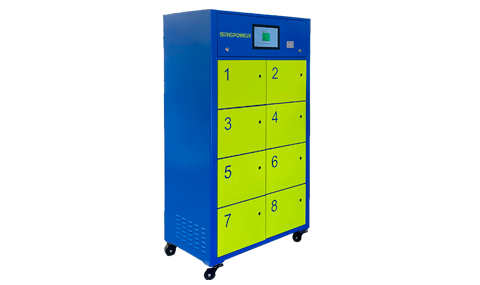



 WhatsApp Contact
 WhatsApp Contact