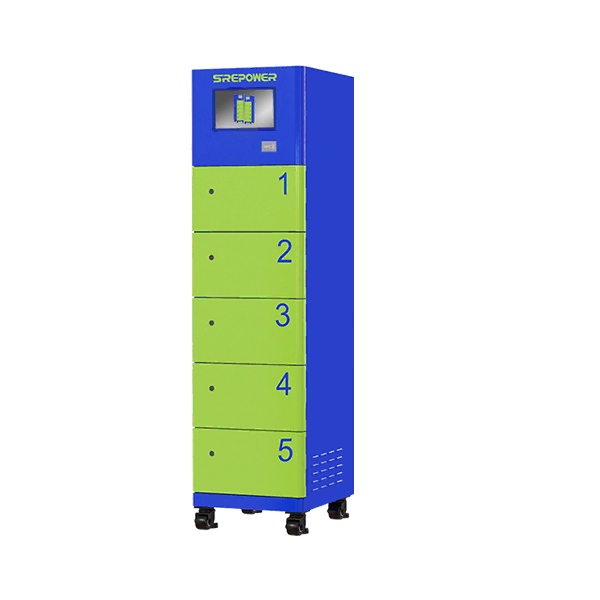
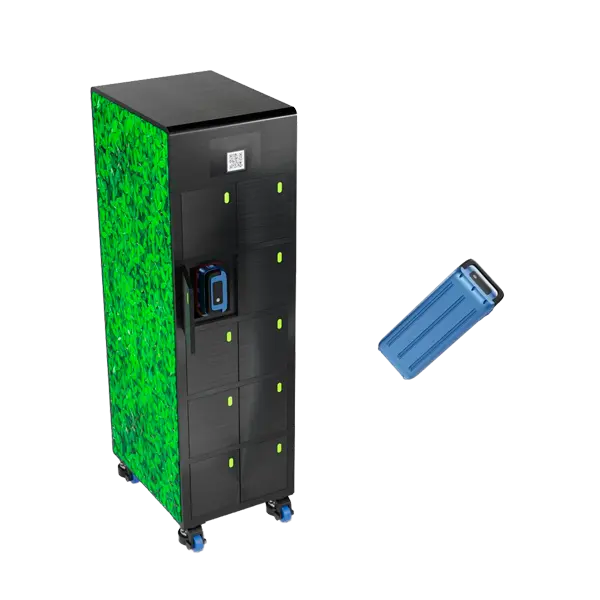
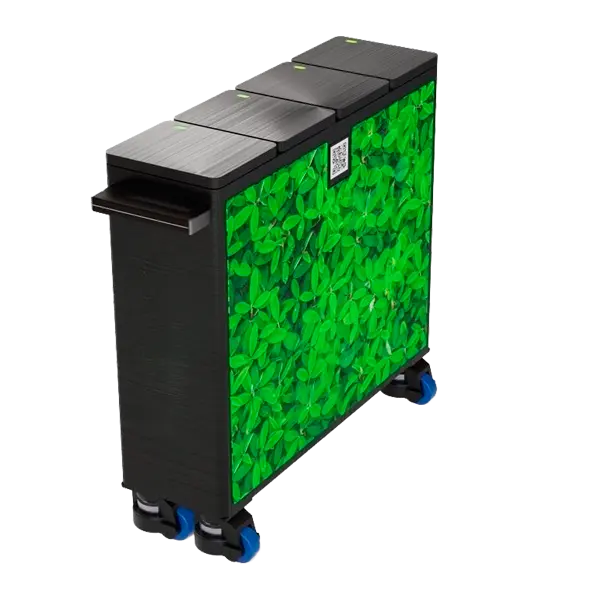
Method for evaluating the factory strength of battery swapping cabinet manufacturers.
In the current popularization of electric vehicles, battery swapping cabinets provide an effective solution to the problem of electric vehicle range. For operators who want to cooperate with battery swapping cabinet manufacturers, it is crucial to examine the factory's strength. Here are some methods to assess the factory strength of battery swapping cabinet manufacturers.
1、 Examine production scale and capacity
Production scale is one of the important indicators to measure the strength of battery swapping cabinet manufacturers. Large scale factories usually have a complete industrial chain layout, covering the entire production process such as sheet metal processing and finished product assembly. These manufacturers often have advanced production equipment, such as laser cutting machines, CNC bending machines, etc., which can reduce error rates through standardized processes and ensure timely delivery of products.
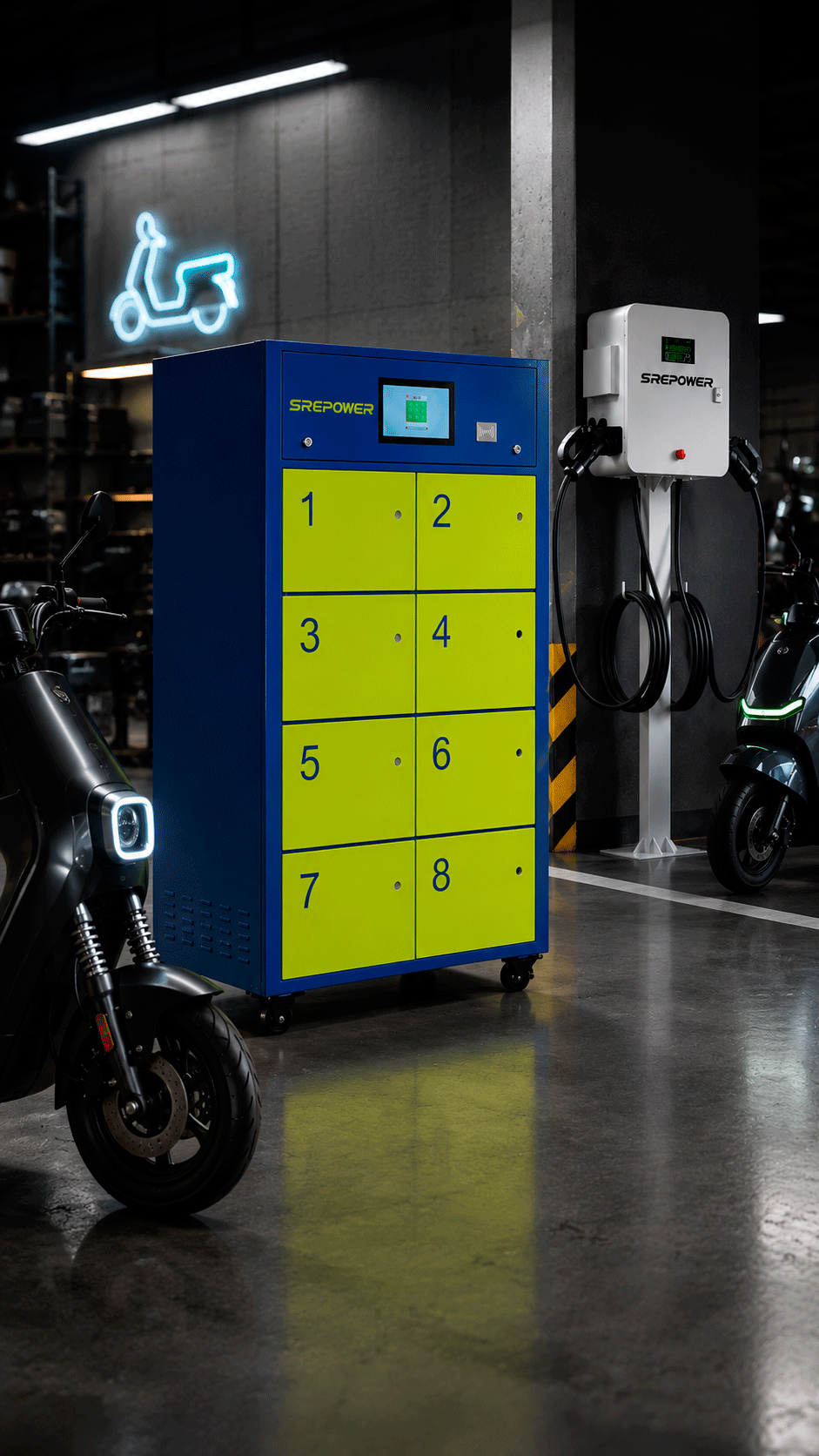
During on-site inspections, the factory's floor area can be checked. A larger footprint usually means that the factory has more space for production, storage, and research and development. At the same time, attention should be paid to the degree of automation of the production line. A highly automated production line not only has high production efficiency, but also ensures the stability of product quality. For example, the sheet metal production line of Panzhong Technology's battery swapping cabinet can achieve automatic welding, assembly and other processes, reducing the impact of human factors on product quality. In addition, inventory management capability is also an aspect that needs to be examined. Good inventory management can ensure sufficient supply of raw materials and timely delivery of finished products.
Capacity verification is also crucial. The monthly production capacity needs to reach a certain quantity, for example, the monthly production capacity of SREBOWNE battery swapping cabinets can support more than 2000 units, in order to meet the demand for large-scale orders. If the manufacturer's production capacity is insufficient, they may not be able to deliver products on time during peak order periods, which will affect the operator's market layout and operational plans. You can verify the actual production capacity of the manufacturer by checking their production records, order completion status, and other methods.
2、 Evaluate product quality and safety
The battery swapping cabinet needs to be exposed to outdoor environments for a long time, and its materials and processes directly affect its service life and user safety.
In terms of material selection, high-quality manufacturers usually use galvanized steel plates (thickness ≥ 1.2mm) or cold-rolled steel plates, which have excellent anti-corrosion and anti rust properties and can ensure that the battery exchange cabinet can be used in outdoor environments for more than 6 years. Safety design is also crucial, for example, Panzhong Technology's battery swapping cabinet has an independent battery compartment, intelligent temperature control system, and automatic fire extinguishing device to eliminate safety hazards such as short circuits and overcharging. The independent battery compartment can avoid the mutual influence between batteries, the intelligent temperature control system can monitor the battery temperature in real time, and the automatic fire extinguishing device can extinguish the fire in a timely manner when a fire occurs, ensuring the safety of users and equipment.
The process details cannot be ignored, and strict standards are required for welding flatness, door lock anti-theft performance, waterproof level (recommended to be above IP54), etc. Uneven welding may affect the structural stability of the cabinet, poor anti-theft performance of door locks can easily lead to battery theft, and substandard waterproof levels may cause electrical components inside the cabinet to become damp and damaged. When verifying product quality, the manufacturer can be requested to provide a third-party quality inspection report and conduct on-site testing of the sample's wind pressure resistance, seismic performance, etc.
3、 Testing system stability
The competitiveness of battery swapping cabinets lies not only in hardware, but also in the stability and functionality of their intelligent systems.
Firstly, it is necessary to examine the concurrent processing capability of the cloud. During peak battery swapping periods, a large number of users perform battery swapping operations simultaneously. If the cloud system cannot process these requests in a timely manner, it can lead to issues such as crashes and user churn. At the same time, the local offline solution is also important. When the network fails, the battery swapping cabinet can continue to work normally relying on the local offline solution to ensure the user's battery swapping needs.
Manufacturers should also provide equipment operation, system management, and daily maintenance training to enhance the capabilities of the local operator team. In daily operations, the operator's team can promptly address common issues, reduce reliance on manufacturer after-sales service, and improve operational efficiency. For example, training team members on how to set system parameters, troubleshoot, etc.
4、 Assessing research and innovation capabilities
The competition in the battery swapping cabinet industry ultimately boils down to technological competition, so the research and development capabilities of manufacturers must be a key consideration.
Understand whether the manufacturer has a professional R&D team that can continuously drive product technology upgrades and innovations. They should have in-depth research and rich experience in battery management, intelligent battery swapping systems, and other areas. For example, some manufacturers have independently developed battery management systems that can monitor the health status of batteries in real time, ensuring the safety and stability of batteries during use. Advanced battery swapping technology and intelligent control systems can make battery swapping operations more convenient for users and enhance their user experience.
Manufacturers should also have the ability to quickly iterate products based on market demand. With the development of the market and changes in user demand, battery swapping cabinets need to constantly add new functions and features. For example, it supports functions such as cascading battery swapping, integrated charging and swapping mode, reverse power supply (emergency power outage), NFC fast battery swapping, etc., to meet the needs of different users and scenarios.
5、 Understand customized service capabilities
The demand for transformer cabinets varies significantly in different scenarios, and excellent manufacturers should have flexible customization capabilities.
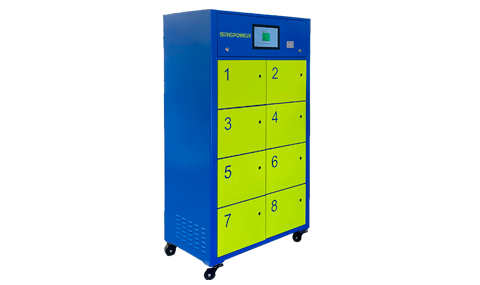
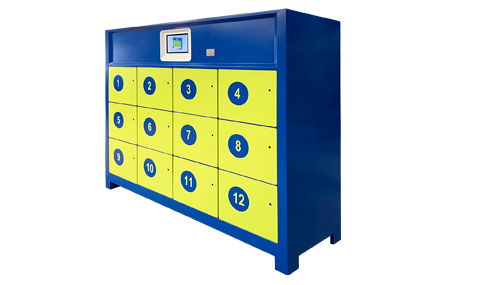
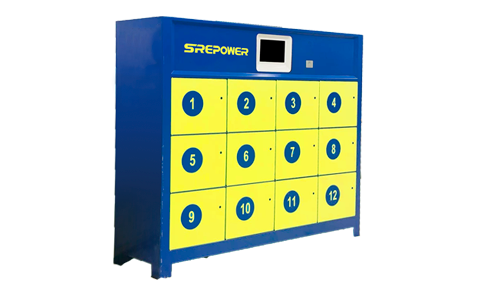
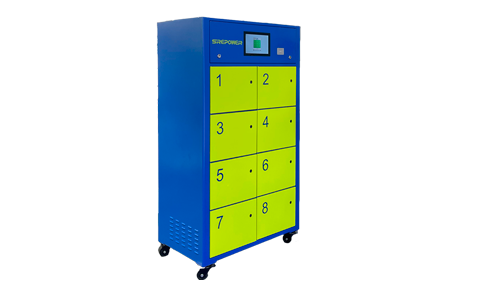
In terms of specification adaptation, manufacturers should support multiple capacity designs ranging from 4 to 15 compartments to meet the needs of different scenarios such as communities, commercial districts, and industrial areas. For example, community scenarios may have relatively small capacity requirements for battery swapping cabinets, while industrial scenarios may require high-capacity battery swapping cabinets to meet the swapping needs of more electric vehicles.
Functional expansion is also an important aspect of customized services. Manufacturers can add special functions to the battery swapping cabinet according to customer needs. For example, the cascading battery swapping function can achieve battery sharing among multiple swapping cabinets, improving battery utilization; The integrated charging and swapping mode can meet the charging and swapping needs of different users. In addition, customized appearance is also important. Manufacturers can provide personalized designs such as color and logo, so that the battery exchange cabinet can be coordinated and unified with the surrounding environment, enhancing the brand image.
6、 Examine the after-sales service system
Good after-sales service is the key to ensuring the long-term stable operation of the battery swapping cabinet.
After sales response time is an important indicator. The standard for first tier cities should be a response time of half an hour and a problem-solving time of two hours, and second - and third tier cities should also have corresponding reasonable response times. It can be requested to include the after-sales response time in the contract and specify a penalty clause for exceeding the time limit to ensure that the manufacturer values after-sales service. For example, if the manufacturer fails to respond or solve the problem within the specified time, they need to provide certain economic compensation to the operator.
When conducting on-site inspections, it is necessary to check the manufacturer's after-sales service center. Understand the personnel configuration and equipment reserve situation of the after-sales service center. The after-sales service center should have professional technicians on standby at all times and reserve sufficient parts to ensure timely maintenance in case of equipment failure. At the same time, it is necessary to verify whether the work order system of the after-sales service center is updated in real time to ensure that problems can be tracked and handled in a timely manner. In addition, it is also possible to understand the coverage of the manufacturer's service network. Manufacturers with a wide service network coverage can respond to customer needs faster.
In short, a comprehensive evaluation of the factory strength of battery swapping cabinet manufacturers needs to be conducted from multiple aspects. By examining aspects such as production scale, product quality, system stability, research and development capabilities, customized services, and after-sales service, operators can choose partners with solid technology and reliable services to achieve long-term operation in a fiercely competitive market and truly solve users' pain points in battery life.
Hot Keywords:
swap charging station
battery swap station




 WhatsApp Contact
 WhatsApp Contact