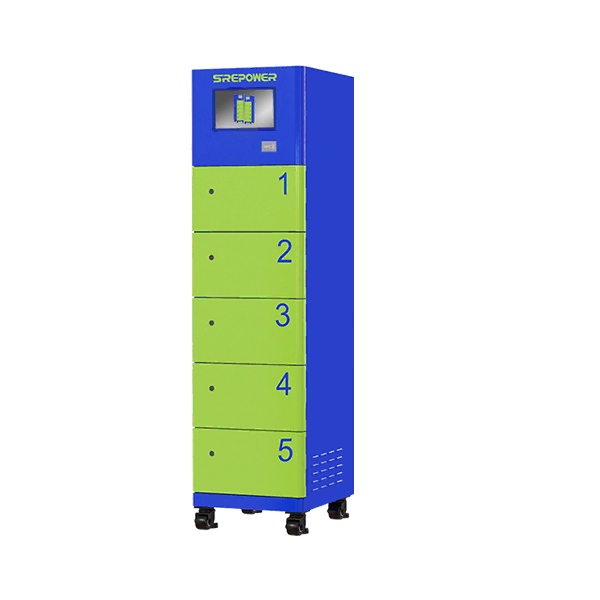
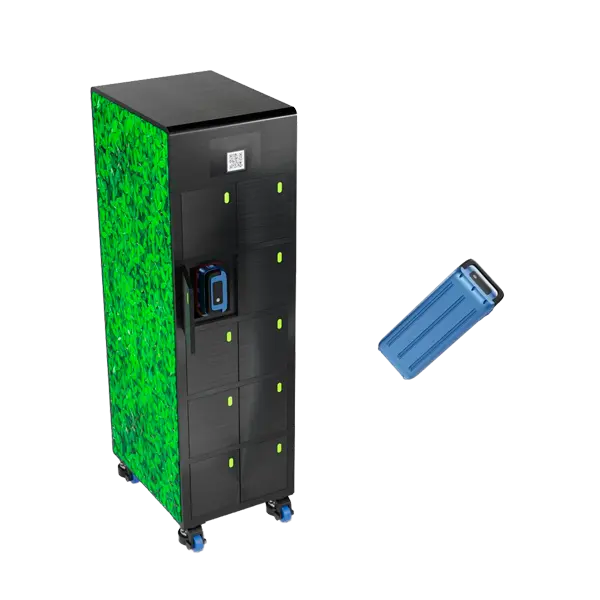
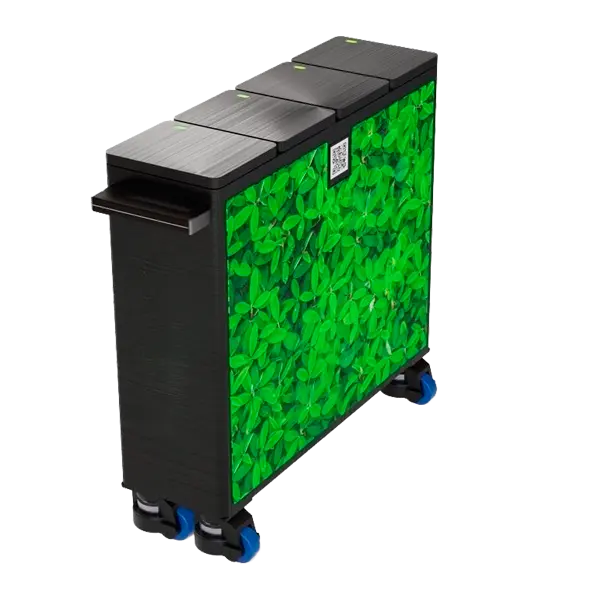
What are the common misconceptions when purchasing electric vehicle battery swapping cabinets for takeout?
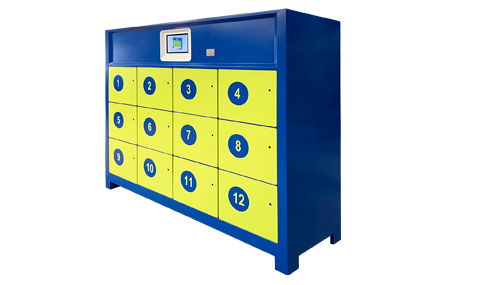
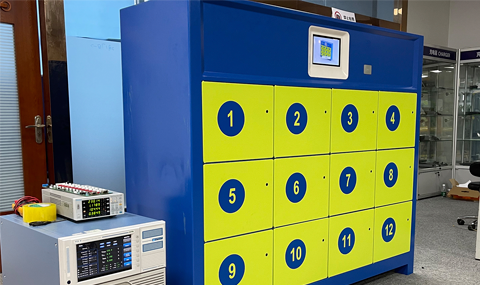
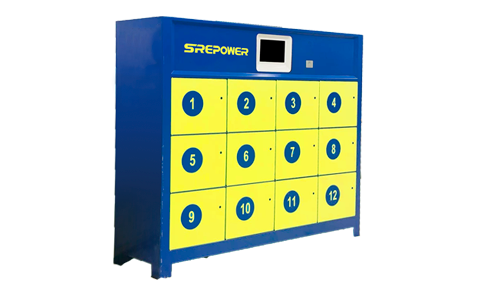
With the booming development of the instant delivery industry for food delivery, battery swapping services have become a must-have track, attracting a large number of investors and operators to enter the market. As the core equipment of the project, the procurement decision of the battery swapping cabinet directly determines the stability and profit margin of the later operation.
However, in the actual procurement process, many practitioners are easily misled by market chaos and fall into various misunderstandings, ultimately leading to cost overruns, frequent malfunctions, and no after-sales service. Today, from the perspective of operators and investors, we will break down the four common misconceptions when purchasing battery swapping cabinets to help you avoid detours.

Misconception 1: Blindly pursuing low prices and ignoring hidden costs
Cost control is the core demand of entrepreneurship, but many novice operators fall into the misconception of "low price=cost-effectiveness" and are attracted by the low price gimmicks of intermediaries. Little do they know, there are often multiple hidden costs behind low-priced battery swapping cabinets.
Some low-priced battery swapping cabinets use inferior sheet metal materials with a thickness of less than 1.2mm, which can cause paint peeling and deformation problems after six months of outdoor use; The waterproof level does not meet the IP54 standard, and it is prone to moisture and short circuits in rainy days, resulting in extremely high maintenance costs. More importantly, low-priced equipment is mostly produced in small workshops without a complete quality control process, resulting in a high rate of downtime due to later failures. This not only affects the user experience of riders, but also causes user loss.
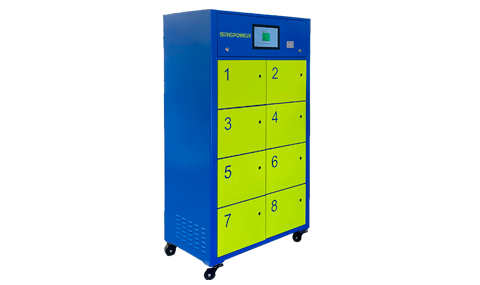
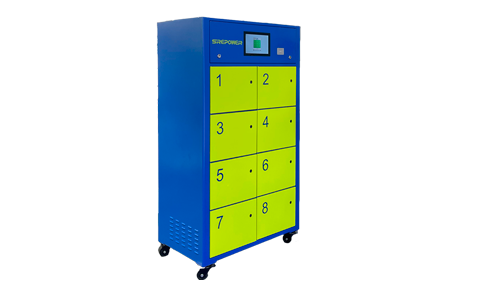
Industry data shows that for the same 8-compartment battery swapping cabinet, the direct supply price from the source manufacturer is about 8000-9000 yuan, while the markup from intermediaries may reach 10000-11000 yuan. Seemingly saving a small amount of money, it may actually face greater losses from frequent maintenance and early scrapping of equipment in the later stage.
Misconception 2: Only focusing on hardware parameters and ignoring software system stability
Many buyers focus on hardware parameters such as cabinet material and warehouse quantity, but overlook the core role of intelligent systems. The high-frequency nature of battery swapping services requires extremely high stability for software systems.
Some manufacturers have outdated system architectures, which can lead to lagging and crashes during peak periods when facing a large number of riders changing their batteries simultaneously; Moreover, some lack a local offline solution, causing the entire device to crash in the event of network failure, resulting in riders being unable to replace their batteries and interrupting the operator's revenue. In addition, poor system compatibility can also lead to the inability to connect with the management platform in the later stage, making it impossible to achieve remote monitoring, fault warning and other functions, significantly increasing the cost of manual operation and maintenance.
A truly reliable battery swapping cabinet requires a software system with high concurrency processing capabilities, capable of supporting millisecond level responses to millions of battery swapping requests, and equipped with local offline emergency plans to ensure normal operation in extreme situations.
Misconception 3: Skipping on-site inspections and trusting "fake source manufacturers" easily
It is a common problem for many operators to only look at samples and not inspect factories when making purchases. There are no shortage of fake source manufacturers in the current market who sell dog meat under false pretenses, but in reality, they are middlemen without production workshops and only assemble products by splicing purchased components, making quality control completely uncontrollable.
Legitimate source manufacturers have large-scale production bases equipped with advanced equipment such as laser cutting machines and CNC bending machines, and have full process production capabilities; However, fake source manufacturers are unable to provide core evidence such as production workshop photos and capacity records, and are also vague about equipment technical parameters.
A second tier city operator once purchased refurbished equipment from intermediaries without conducting on-site inspections, resulting in three safety accidents within six months. Not only did they compensate more than 100000 yuan, but they were also ordered to suspend operations by regulatory authorities, and the project was directly aborted. Conducting on-site inspections of production scale and quality control processes is a crucial step in avoiding pitfalls.
Misconception 4: Neglecting after-sales service and falling into the dilemma of "no way to protect rights"
The battery swapping cabinet is an outdoor high-frequency power equipment, and later installation, commissioning, fault maintenance, system upgrades and other services are crucial. But many buyers did not specify the after-sales terms when signing the contract, resulting in a "kicking the ball" dilemma in the later stage.
Some intermediaries are only responsible for selling goods, and when equipment problems occur, they shift the blame to upstream manufacturers, but the manufacturers do not accept the responsibility, ultimately leaving the operators with no way to protect their rights. Legitimate source manufacturers will provide a "one-stop backup" service, promising 7 * 24-hour response, resolving faults within 2 hours in first tier cities, and continuously providing system upgrade services according to market demand.
It is recommended to include clauses such as after-sales response time, fault handling procedures, and warranty period in the contract when purchasing. The core components should be guaranteed for at least 2 years to avoid disputes in the future.
Conclusion: The battery swapping project is a long-term business, and the procurement of battery swapping cabinets is not simply about "buying equipment", but about choosing long-term partners. To avoid the above misconceptions, the core lies in adhering to the principle of "on-site inspection and comprehensive evaluation", and prioritizing the selection of source manufacturers with large-scale production capabilities, improved after-sales systems, and stable software and hardware collaboration.
One correct procurement choice can save your battery replacement project 3 years of detours. After all, stable equipment is the foundation of operation and the guarantee of profitability.
Hot Keywords:
swap charging station
battery swap station




 WhatsApp Contact
 WhatsApp Contact