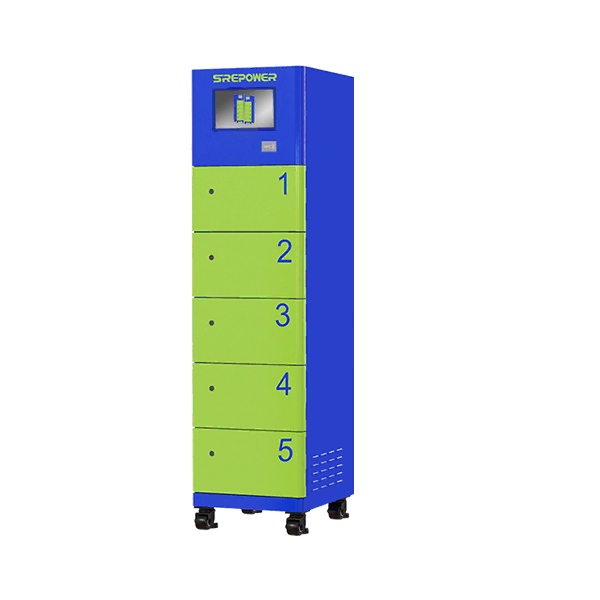
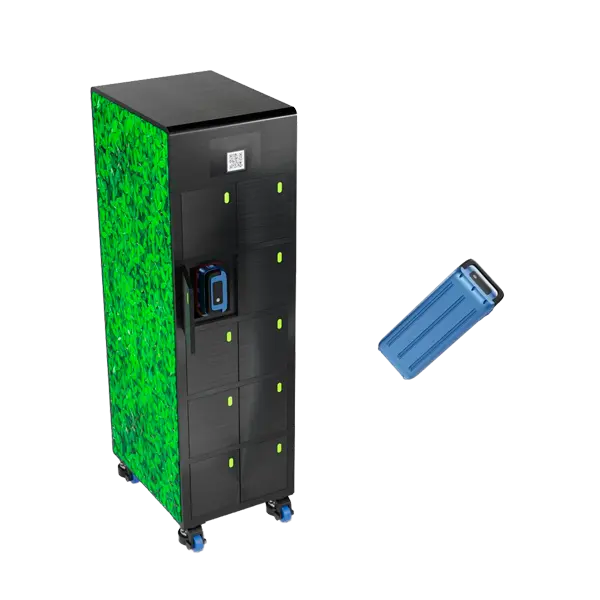
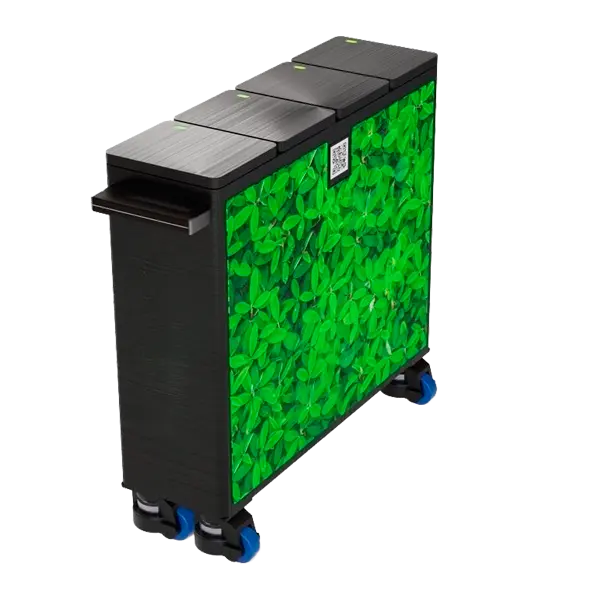
Which manufacturer is reliable for purchasing electric battery swapping cabinet equipment?
In recent years, the takeout industry has been thriving, and the ensuing demand for electric vehicle range has made the takeout battery swapping project a hot commodity among many entrepreneurs. However, many novices encounter the same problem when entering the market: which manufacturer should they choose to procure battery swapping cabinet equipment from?

After all, the battery swapping cabinet is the core component of the entire project. Choosing the wrong manufacturer may lead to a series of issues in the later stages, such as frequent equipment malfunctions, ongoing operational and maintenance troubles, and impacts on profitability. Today, I will clarify the core logic for selecting a battery swapping cabinet manufacturer, making it easy for even novices to understand.
First and foremost, we must assess the manufacturer's compliance with qualifications, as this is a fundamental issue. When undertaking a project, it is imperative to comply with regulatory requirements; otherwise, the initial investment may be wasted. A reliable manufacturer must possess comprehensive compliance qualifications, such as basic production licenses, quality management system certifications, and relevant safety certifications for outdoor electrical equipment.
When contacting manufacturers, it is essential to proactively request to review these qualification documents and confirm that they are authentic and valid, rather than photocopies or forgeries. Additionally, it is important to inquire whether the manufacturer's equipment complies with relevant regulations for local outdoor facility installation, such as fire safety standards and power access requirements, to avoid the situation where the equipment cannot be deployed due to non-compliance after purchase.
Secondly, the adaptability of the equipment should be emphasized, as it directly impacts the later operational experience. Different deployment scenarios have varying requirements for the battery swapping cabinets. For instance, when deployed in open areas of business districts, considerations should be given to the waterproofing, sunscreen, and anti-aging capabilities of the equipment; when deployed around residential areas or in urban villages, both the anti-theft design and footprint of the equipment should be taken into account.
A reliable manufacturer will not only offer a single model of equipment, but will recommend suitable products based on your deployment scenario and budget. For example, for areas with a high density of riders, they will recommend equipment with sufficient storage capacity; for venues with limited space, they will recommend compact models. At the same time, it is also important to pay attention to whether the intelligent system of the equipment is easy to use, such as whether it supports offline battery swapping, remote monitoring of equipment status, automatic order data statistics, etc. These functions can greatly reduce operational costs in the later stages.
Furthermore, the cooperation model and cost transparency are crucial to avoid hidden consumption traps. Most novice entrepreneurs have limited budgets. When interfacing with manufacturers, it is important to ask clearly what is included in the quotation, such as whether it includes equipment installation, debugging, and usage fees for intelligent systems. Some manufacturers may attract customers with low prices but later charge additional service fees under various names, such as annual system fees and installation accessory fees. It is necessary to clearly state all fees in the contract to avoid disputes later on.
Additionally, it is important to understand whether the manufacturer's cooperation model is flexible, such as whether they support bulk purchase discounts and installment payments, which can alleviate the initial financial pressure. At the same time, it is necessary to calculate the later operation and maintenance costs, such as the price of repair parts and maintenance timeliness in case of equipment failure. Choosing equipment with strong universality of parts and convenient maintenance can reduce the later operation and maintenance expenses.
Lastly, after-sales support capability is crucial for the long-term stable operation of the project. As outdoor electrical equipment, electric vehicle battery swapping cabinets are inevitably prone to malfunctions such as cabinet damage and smart system glitches due to long-term exposure to the natural environment. In such cases, reliable after-sales service becomes particularly important.
When connecting with manufacturers, it is important to ask these questions: Is there an after-sales service network in the project deployment area? What is the response time for after-sales service? What is the warranty period for the equipment? Does the manufacturer provide free operation and maintenance training? Reliable manufacturers have a comprehensive after-sales system, such as a commitment to respond to faults within 24 hours, provide free repairs or replacement of parts during the warranty period, and offer professional operation and maintenance training to entrepreneurs to help them quickly get started with operations.
In fact, when choosing a reliable manufacturer of battery swapping cabinets, the core lies in focusing on four key points: "compliance, compatibility, transparency, and guarantees". For novice entrepreneurs, there's no need to blindly pursue high-priced products, nor should they be tempted by low prices. By combining their own project needs, comparing multiple manufacturers, and conducting on-site inspections of the manufacturers' production scale and product quality, they can avoid most pitfalls.
Hot Keywords:
swap charging station
battery swap station




 WhatsApp Contact
 WhatsApp Contact