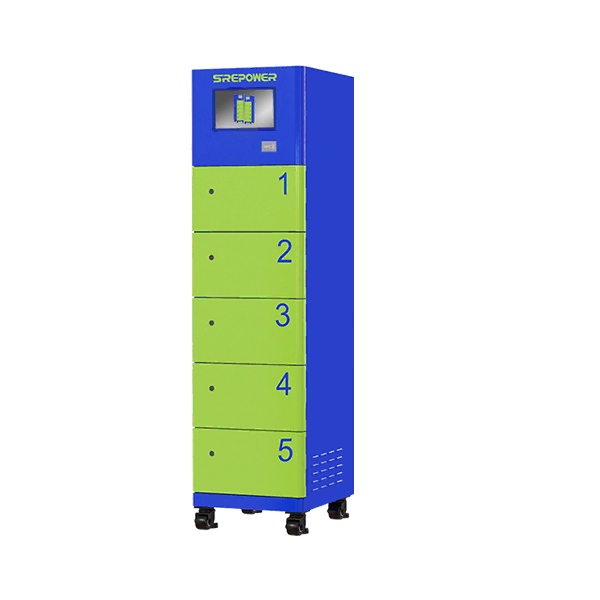
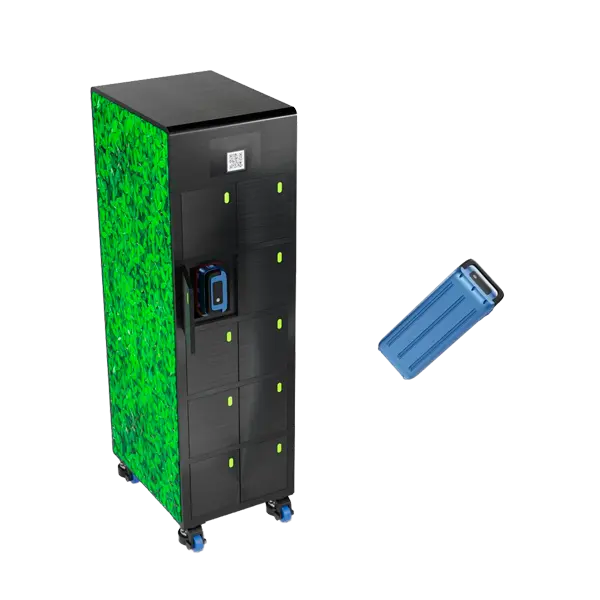
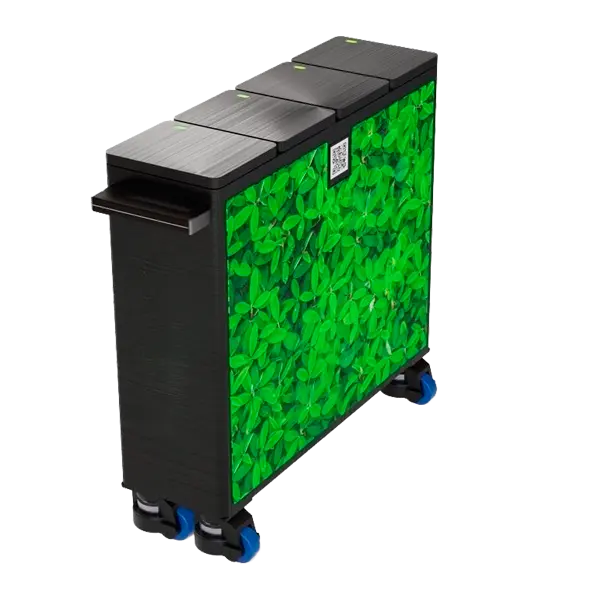
Analysis of Requirements for Installing Battery Swapping Cabinets.
Preliminary preparation requirements
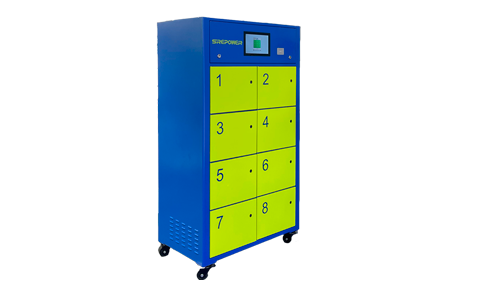
It is crucial to make sufficient preparations before installing the battery swapping cabinet, which involves personnel, equipment, and consideration of weather conditions. In terms of personnel, installation workers and professional electricians are required. Installation workers are responsible for the specific installation operation of the power exchange cabinet. They need to have certain mechanical installation skills and experience, be proficient in using various installation tools, and ensure that all components of the power exchange cabinet are correctly installed and connected. Professional electricians are responsible for handling electrical related work, such as cable connections, circuit laying, etc. They must hold relevant electrician certificates and be familiar with electrical safety regulations to ensure the electrical safety of the battery swapping cabinet.
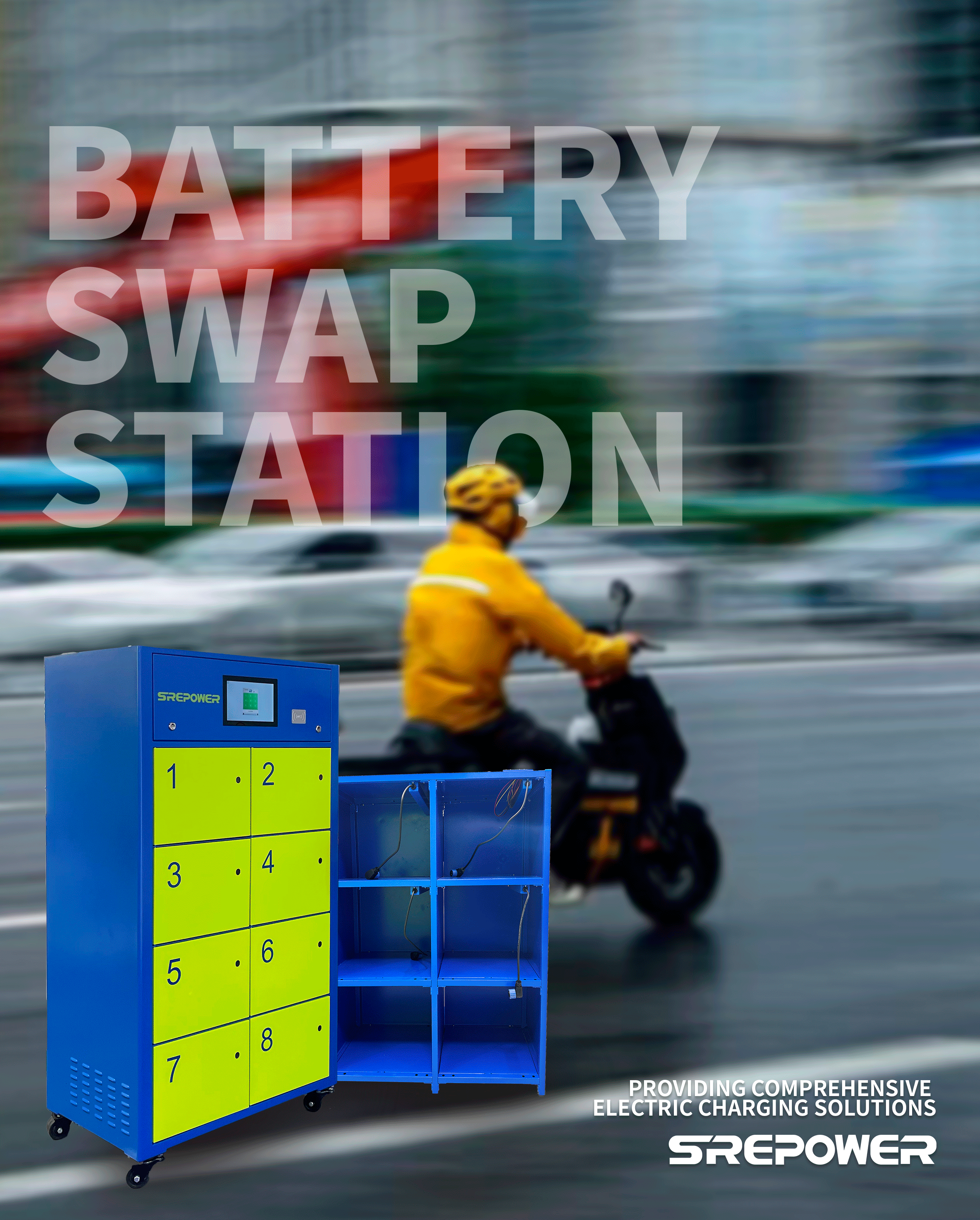
The preparation of equipment cannot be ignored. Depending on the actual situation, a forklift may be needed. For example, when the battery swapping cabinet is large in volume and heavy in weight, a forklift can easily transport it to the installation location. Electric drills and impact drills are commonly used tools in the installation process to drill holes in the ground or wall for fixing the battery exchange cabinet. The selection of national standard cables should be carried out according to the manufacturer's requirements, and the specifications and quality of the cables directly affect the power supply stability and safety of the transformer cabinet.
Weather conditions are also one of the factors that need to be considered. Due to the electrical operation involved in the installation of the battery swapping cabinet, in order to avoid safety accidents such as electric shock, it is advisable to avoid installation on rainy days as much as possible. On rainy days, the high humidity in the air makes electrical equipment susceptible to moisture, increasing the risk of electrical leakage. Therefore, choosing sunny and dry weather for installation can provide a safer environment for installation work.
Site selection planning requirements
The site selection of the battery swapping cabinet needs to be scientifically planned based on multiple factors. Firstly, it is necessary to consider the parking space for electric bicycles, user needs, battery swapping application scenarios, and urban landscape work. Generally speaking, it is more suitable to install in outdoor open spaces where express delivery riders and residential users have convenient battery swapping. Streets, alleys, scattered plots and other locations can be fully utilized for supplementary and encrypted installation, which can not only facilitate users' battery replacement, but also improve the utilization rate of battery replacement cabinets.
At the same time, the installation of the power exchange cabinet shall not occupy or affect the traffic function of the sidewalk and tactile paving, and shall ensure the normal traffic safety of pedestrians. It is also necessary to maintain a certain fire separation distance from buildings, which can effectively reduce the risk of fire and ensure the safety of surrounding buildings and personnel.
If it is necessary to install the transformer cabinet indoors, it must meet the fire separation conditions and fire protection design requirements in relevant national standards and specifications, and maintain a safe distance from surrounding combustibles. In addition, the power exchange cabinet should not be placed in low-lying areas or near building rainwater pipes, rivers, etc., as these places are prone to water accumulation, which may cause damage to the power exchange cabinet due to moisture and affect its normal use. It is also necessary to maintain a safe distance from important municipal facilities such as sewage, tap water, and electricity to avoid any impact on municipal facilities, and to prevent damage to the power exchange cabinet in case of problems with municipal facilities. The transformer cabinet should be kept at a safe distance from high-temperature, flammable and explosive places, factories, warehouses with fire hazards of Class A and B, gas stations, gas pipelines, buildings with combustible external insulation materials, etc., to prevent damage to the transformer cabinet in case of fire, explosion and other dangerous situations, and ensure the safe operation of the transformer cabinet.
Indoor installation requirements
When installing the power exchange cabinet indoors, there are a series of strict requirements that need to be followed. There should be physical walls separating the battery swapping area from other production and living areas to prevent potential safety issues during the swapping process from affecting other areas, such as the spread of fires, electrical leakage, and other situations. The battery swapping area should not hinder evacuation and ensure that personnel can evacuate quickly and safely in emergency situations.
Temperature control is also an important aspect of indoor installation. When the room temperature in the battery swapping area reaches 35 ℃, the exhaust facilities should be activated, and the exhaust volume should be calculated at 60m ³/(h × m ²). This is because the battery swapping cabinet generates heat during operation. If the indoor temperature is too high, it can affect the performance and lifespan of the battery, and may even cause safety accidents. Through reasonable exhaust facilities, indoor temperature can be effectively reduced to ensure the normal operation of the battery exchange cabinet.
The configuration of fire-fighting facilities is essential. Fire extinguishers or other fire-fighting facilities should be equipped, and the configuration of fire extinguishers should comply with the relevant provisions of GB 50140-2005. In indoor environments, timely and effective firefighting measures can reduce losses and ensure the safety of personnel and property in the event of a fire.
Outdoor installation requirements
Outdoor installation of battery swapping cabinets also has its unique requirements. The battery exchange cabinet should be installed on a solid and flat cement floor of 15cm or more. A solid and flat ground can provide stable support for the power exchange cabinet, preventing it from tilting or shaking due to uneven ground, which may affect its normal use and safety. At the same time, a height of 15cm or more can prevent damage to the transformer cabinet caused by water on the ground surface.
Adequate distance should be left around the battery swapping cabinet to ensure heat dissipation and maintenance. The battery exchange cabinet generates heat during operation. If the surrounding space is narrow and not conducive to air circulation, it can lead to heat accumulation, affecting the heat dissipation effect of the battery exchange cabinet and ultimately affecting the performance and lifespan of the battery. Leave enough space for maintenance personnel to conduct daily inspections and maintenance work.
In order to ensure the safety and order of the battery swapping area, a line should be drawn at least 1 meter in front of the battery swapping cabinet to isolate the swapping area from the parking area. This can prevent vehicles from accidentally colliding with the battery swapping cabinet, while also allowing users to perform battery swapping operations in a safe area. In addition, a roof should be installed in the charging and swapping area to ensure sun and rain protection. Both direct sunlight and rainwater erosion can cause damage to the transformer cabinet. The ceiling can effectively protect the transformer cabinet and extend its service life.
Standard requirements for battery usage
The batteries used in the battery swapping cabinet must meet strict standards. The newly replaced battery must comply with the "Safety Technical Specification for Lithium ion Batteries for Electric Bicycles" (GB 43854-2024), "Safety Technical Specification for Electric Bicycles" (GB 17761-2024), "Electrical Safety Requirements for Electric Bicycles" (GB 42295-2022), and the relevant requirements of Amendment 1. Encourage the use of lithium-ion batteries produced by enterprises that comply with the "Lithium ion Battery Industry Standard Conditions" and do not use cascaded batteries to ensure safe use.
In terms of voltage, the maximum output voltage of the battery pack is less than or equal to 60V. This is to ensure the electrical safety of electric bicycles during use and avoid safety accidents caused by high voltage. The safety technical requirements for batteries are also very strict. Even after being subjected to mechanical impacts such as needle puncture, compression, acceleration impact, free fall, or experiencing overcharging, external short circuits, thermal abuse, water immersion, etc., they can still ensure safety and meet the relevant requirements of the "Safety Technical Specification for Lithium ion Batteries for Electric Bicycles" (GB 43854-2024) standard.
The real-time data collection function is crucial for the safe use of batteries. During the charging process, the battery should at least collect real-time basic data such as battery voltage, total voltage, current, temperature of the battery pack, as well as fault and warning information. By collecting this data in real-time, abnormal conditions of the battery can be detected in a timely manner, and corresponding measures can be taken to avoid safety accidents. Batteries should be clearly and durably labeled with the manufacturer, product name and model, nominal voltage, rated capacity, charging limit voltage, discharge termination voltage, rated energy, positive and negative polarity markings, production date or batch number, necessary safety warning instructions, maximum charging current, maximum discharging current, operating temperature range, safe service life, and unique battery pack code in accordance with the "Code Rules for Lithium ion Batteries" (GB/T 45565-2025) in a prominent position. The unique code of the battery pack is a high-temperature resistant permanent mark, which facilitates the management and traceability of the battery.
Other requirements
The battery swapping cabinet should also meet some other requirements. In terms of communication requirements, the transformer cabinet should have communication functions to ensure real-time communication with the backend, in order to monitor the operation status of the transformer cabinet and detect faults in a timely manner. Specifically, it should be able to monitor the charging status of the battery, automatically activate the protection function when there is an abnormal temperature, and stop or replace the charging function, and report to the backend system; Real time monitoring of the working status of the battery swapping cabinet, detecting abnormal situations and issuing alarms; Report the working status of each charger and lithium battery pack in the battery exchange cabinet, identify any abnormal situations and issue an alarm; Report whether there are lithium battery packs in the battery compartment and whether the compartment door is open or closed; Report the status of activating automatic protection function, stopping and locking the compartment door, and stopping charging; Real time monitoring of electricity load and consumption information.
In terms of noise requirements, when the power exchange cabinet is operating at full load and the cooling fan is turned on, the noise should be less than 60dB. This is to avoid the noise generated by the power exchange cabinet from affecting the surrounding environment and residents, and to create a quiet usage environment. In terms of lightning protection requirements, the lightning protection level of the transformer cabinet should comply with the B-level requirements in GB/T 17626.5-2008 "Electromagnetic Compatibility Testing and Measurement Techniques - Surge (Impulse) Immunity Test" to prevent damage to the transformer cabinet caused by lightning strikes and ensure its safe operation.
In terms of user requirements, users should adopt a registration system when using the battery swapping cabinet, and use their mobile phones to scan the QR code for registration and use. At the same time, instructions for use should be introduced to users in text or graphics on the left or right side of the battery swapping cabinet. The pattern of this instruction should be clear, sturdy, and durable. The instructions should include registration and usage methods, billing and charging methods, voltage and capacity of the rechargeable lithium battery pack, opening and closing methods of the battery compartment, and other precautions, so that users can use the battery exchange cabinet correctly and safely.
Hot Keywords:
swap charging station
battery swap station




 WhatsApp Contact
 WhatsApp Contact