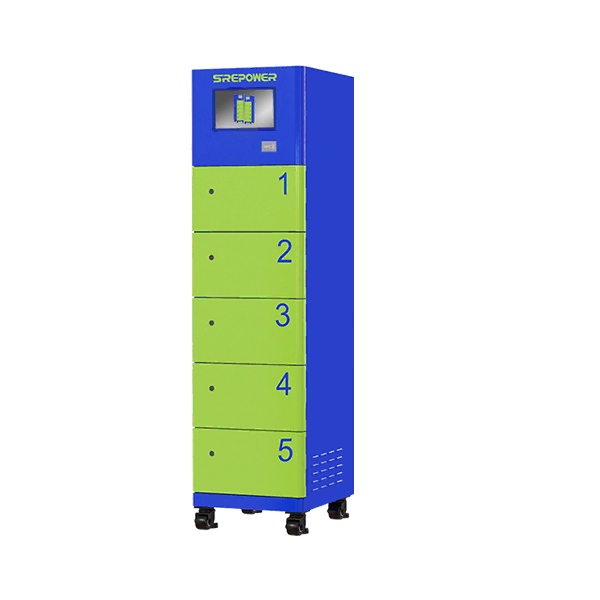
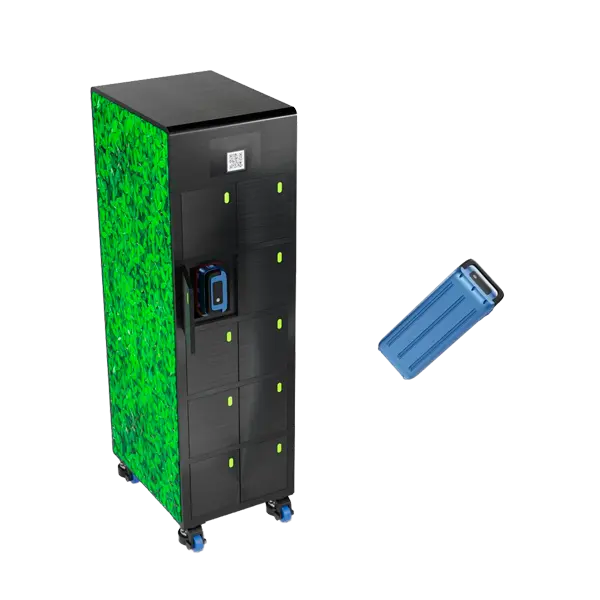
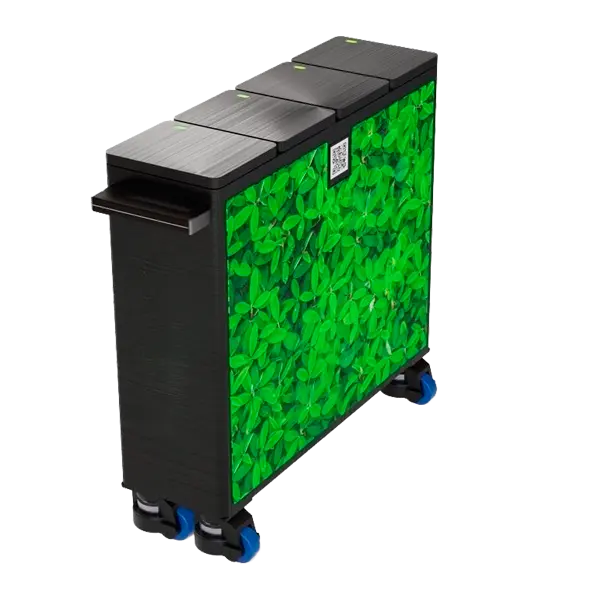
How to choose a reliable manufacturer for two wheeled electric vehicle battery swapping cabinets?
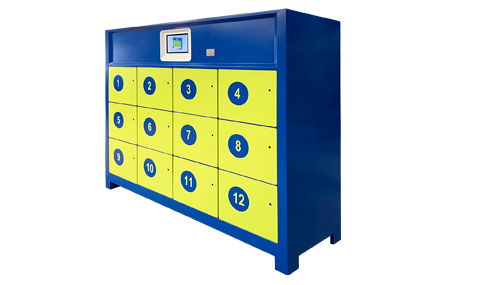
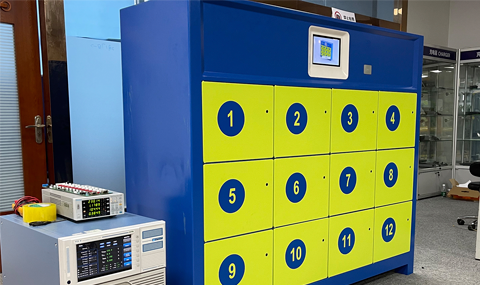
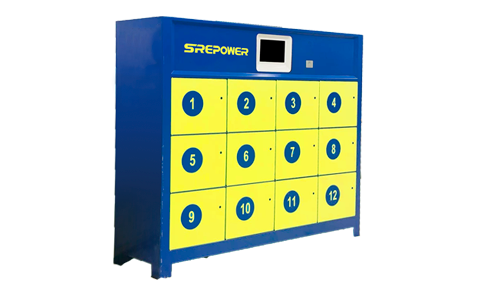
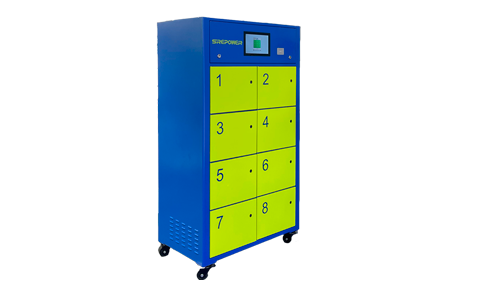
In recent years, with the continuous growth of the use of two wheeled electric vehicles, more and more investors and companies have begun to layout "battery swapping" services. Compared to traditional charging methods, the battery swapping mode is more efficient and convenient, especially popular among high-frequency users such as food delivery riders and couriers. The choice of manufacturers behind the core equipment that supports this model, the power exchange cabinet, is particularly important.
So, as an operator, entrepreneur, or project team, how should I choose from the numerous manufacturers of two wheeled electric vehicle battery swapping cabinets on the market? This article will help you clarify your thoughts and avoid common misconceptions from several practical and critical dimensions.

1、 Check product stability: Don't just look at appearance, look at long-term performance
Many manufacturers display their samples with cabinets that look shiny and functional. But after being put into use, problems may arise one after another: cabinet doors cannot be opened, systems frequently crash, network connections are unstable... These will directly affect user experience and even lead to business interruptions.
Therefore, when choosing a manufacturer, it is important to ask clearly:
Has the equipment undergone long-term field testing?
Is there a mature operational case that has been implemented?
What is the monthly average failure rate?
It is best to conduct on-site inspections of the sites deployed by their cooperative clients and chat with the operation and maintenance personnel about their real usage experience. Stable and reliable equipment is the foundation for long-term operation.
2、 Check if the software system is user-friendly
The battery swapping cabinet is not an "iron box", it is backed by a complete set of intelligent management systems. Including user side apps/mini programs, backend operation management platform, remote monitoring, data statistics and other functions. If the software experience is poor and the operation is complex, the maintenance cost in the later stage will be very high.
You need to pay attention to:
Does the system support remote upgrades and fault diagnosis?
Can the backend clearly view device status, order records, and revenue analysis?
Is the process of user registration, QR code scanning, and battery swapping smooth?
Some small manufacturers, in order to save costs, directly apply universal templates and lack customization capabilities. Once your business has special requirements (such as connecting to third-party platforms, setting up account sharing rules, etc.), you will be helpless. So, the maturity and flexibility of software systems are important indicators for judging the strength of manufacturers.
3、 See if the after-sales service can keep up
Even the best equipment is bound to have problems. The key is whether the manufacturer can respond quickly and solve problems in a timely manner.
You can directly ask:
How many people are in the after-sales team? Which cities are covered?
How long can the problem be resolved after a malfunction occurs?
Do you provide 24/7 technical support?
Some manufacturers "disappear" after selling out their equipment, and subsequent repairs have to wait for a week or even longer, seriously affecting operational efficiency. Reliable manufacturers usually establish localized service networks or collaborate with third-party operation and maintenance companies to ensure that issues do not occur overnight.
4、 Check if the manufacturer has the ability to continuously iterate
The battery swapping industry is still developing rapidly, with policies, user habits, and technical standards all changing. If manufacturers simply copy existing solutions without research and development capabilities and updating awareness, they will soon be eliminated.
You can pay attention to:
Does the manufacturer have its own R&D team?
Have there been any new models or feature upgrades released in the past year?
Have you participated in the development of industry standards or collaborated with large platforms?
Manufacturers with sustained investment and innovation capabilities can not only help you meet current needs, but also reserve space for future business expansion.
5、 Don't overlook compliance and safety design
The safety design of the battery swapping cabinet itself is still important. for example
Does the cabinet have fire-resistant, explosion-proof, and waterproof structures?
Has it passed the relevant national electrical safety certification?
Does it support security functions such as abnormal door opening alarm and video surveillance?
Especially in densely populated areas such as residential communities and commercial districts, safety and compliance are the bottom line. Choosing manufacturers with complete qualifications (such as 3C certification, ISO system certification, etc.) can greatly reduce policy and operational risks.
Conclusion: Choosing a manufacturer is essentially choosing a long-term partner
Ultimately, choosing a battery swapping cabinet manufacturer is not just about buying a device, but about choosing a partner who can accompany you on the journey. Price is certainly important, but we cannot just look at who is cheaper. The hidden costs of low-quality and low-priced equipment, including maintenance, downtime, and user churn, are much higher than the initial savings.
Hot Keywords:
swap charging station
battery swap station




 WhatsApp Contact
 WhatsApp Contact