Is it easy for food delivery riders to switch their batteries?
In recent years, with the rapid development of the food delivery industry, there have been over 7 million active food delivery riders nationwide. They run around the streets and alleys of the city every day, with extremely high requirements for battery life. The traditional charging method is time-consuming and inefficient, which has given rise to a new demand for "replacement charging" - battery swapping services.

So, is it easy to do the battery swapping business around food delivery riders? Is it reliable or not? Is it really profitable? How to get started again? This article explains this matter in the most straightforward way possible.
1、 Why is there a market for battery swapping business?
The core pain point for food delivery riders is that 'time is income'. A lithium battery usually takes 6-8 hours to fully charge, while a battery swap only takes 30 seconds. For riders who run for more than 10 hours a day, every minute saved is directly converted into order volume and revenue.
At present, mainstream battery swapping brands such as e-Swap, Smart Rent, Xiaoha, and Tower Swap have been widely deployed in first tier cities such as Beijing, Shanghai, Guangzhou, and Shenzhen. It is not uncommon for a single battery swapping station to serve 50-100 riders per day. Some sites can generate monthly revenue of 20000 to 40000 yuan, with a net profit margin of 20% to 35% after deducting costs.
More importantly, policies are also supporting it. The state encourages "shared battery swapping" as a new type of infrastructure, and many places have incorporated battery swapping cabinets into urban convenient service networks, gradually simplifying the approval process.
Therefore, from the perspective of demand side, operational data, and policy orientation, the battery swapping business has a real and sustainable business foundation.
2、 Is this business reliable or not?
Reliable, but with prerequisites.
Battery swapping is not a project of 'just investing in equipment and making a profit'. Its core lies in site selection, operation and maintenance, and user stickiness.
Site selection determines life and death: it must be close to the gathering area of food delivery riders, such as commercial districts, delivery stations, and entrances and exits of urban villages. An incorrect location may be used less than 10 times a day, making it difficult to cover rent and electricity costs.
Operation and maintenance impact experience: Is the battery sufficient? Is the cabinet machine malfunctioning? Is the system stable? These details directly determine whether the rider is willing to use it for a long time.
Competition is intensifying: top brands have occupied core positions, and new entrants need differentiation strategies, such as focusing on regional cultivation, providing more flexible packages or localized services.
So, the battery swapping business is reliable, but only for those who are serious about operation. It is not a speculative project, but a typical "steady flow" small and micro entity business.
3、 What should be done specifically?
If you are interested in entering this field, it is recommended to follow the following four steps:
Step 1: Conduct research on the local market
First, find out if there are mainstream battery swapping brands covering the city and which areas have more riders but fewer battery swapping points. You can observe the peak commuting hours of food delivery stations on site, or chat with riders to learn about their battery swapping habits and pain points.
Step 2: Choose a cooperation mode
There are currently two main ways:
Franchise brands such as Zhizu, Xiaoha, and e-Swap provide equipment, systems, batteries, and backend support. You are responsible for site selection and daily maintenance. The advantage is worry free, but the disadvantage is low profit sharing and autonomy.
Independent operation: Find a reliable source manufacturer and battery supplier to purchase equipment and create your own battery swapping brand. Suitable for people who have some understanding of operations or local resources, but with higher initial investment and management costs.
Step 3: Control input costs
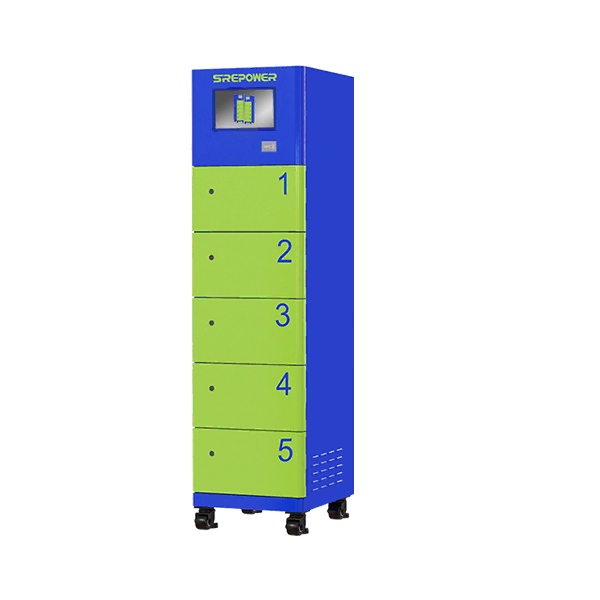
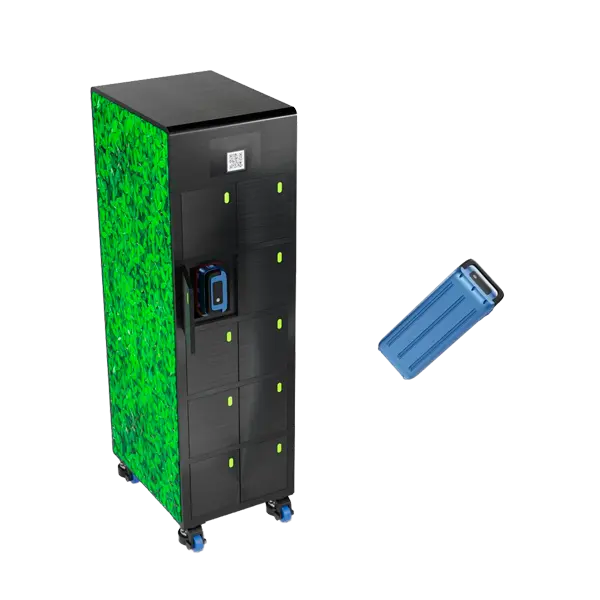
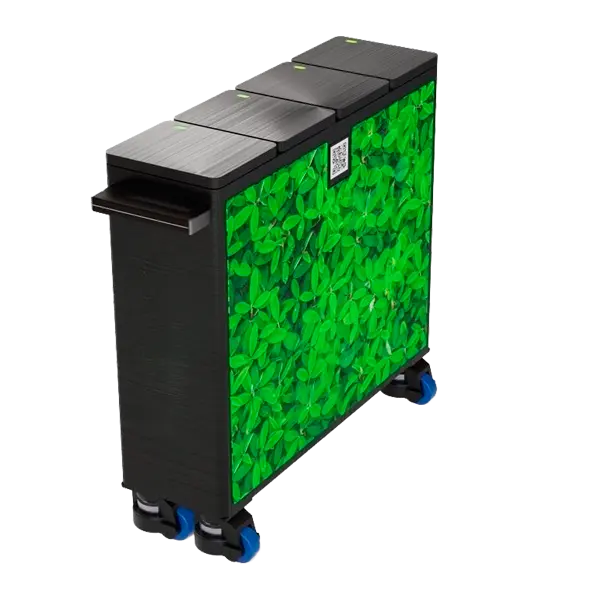
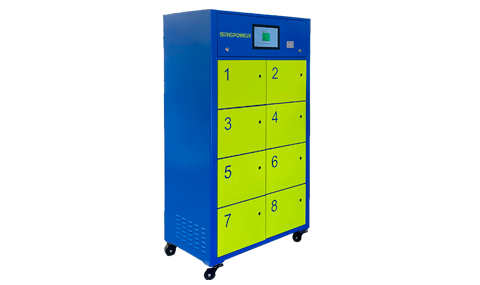
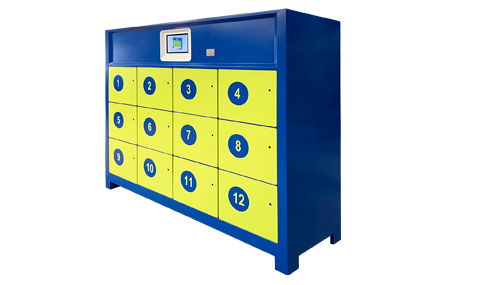
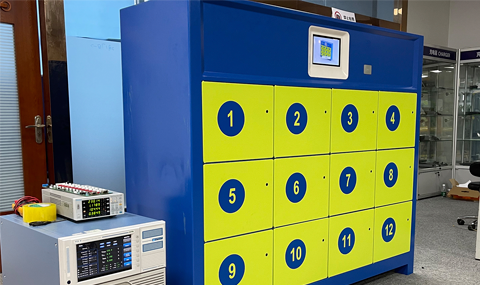
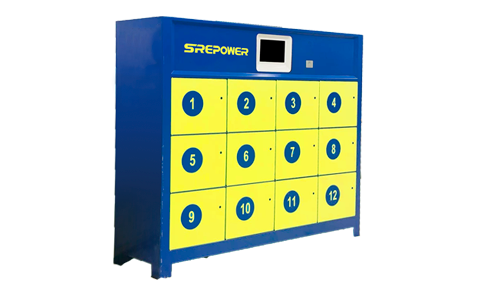
A 12 compartment battery swapping cabinet costs about 10000-15000 yuan, equipped with 20-25 batteries, each costing about 1500-2000 yuan. Installation, site rental, and single point start-up capital are about 60000-80000 yuan. Suggest laying 3-5 points first, verifying the model, and then copying.
Step 4: Do a good job in local operations
Establish contact with nearby food delivery station owners and strive for recommendations;
Launch first week free, recharge discounts and other promotional activities;
Establish WeChat groups to promptly respond to feedback from riders;
Regularly inspect equipment to ensure an availability rate of over 99%.
Once the reputation is established, the repurchase rate is extremely high - once the rider gets used to a certain battery replacement point, they rarely replace it easily.
Conclusion
The essence of the electricity exchange business for food delivery riders is to solve a high-frequency, essential, and high willingness to pay scenario problem. It doesn't have a high threshold, but it requires patience and execution. If you have local resources and are willing to focus on providing services, this is indeed a small and beautiful entrepreneurial direction worth trying.
The wind may not always exist, but the necessities will always be there. Capturing a real need and doing a solid job in operation is more important than chasing concepts.
Hot Keywords:
swap charging station
battery swap station




 WhatsApp Contact
 WhatsApp Contact